
Confirm the source
Check where installation files originate before taking any action.
Installation GuideExplore wallet fundamentals with a product-led guide to local keys, recovery phrases, multi-chain assets and transaction review.
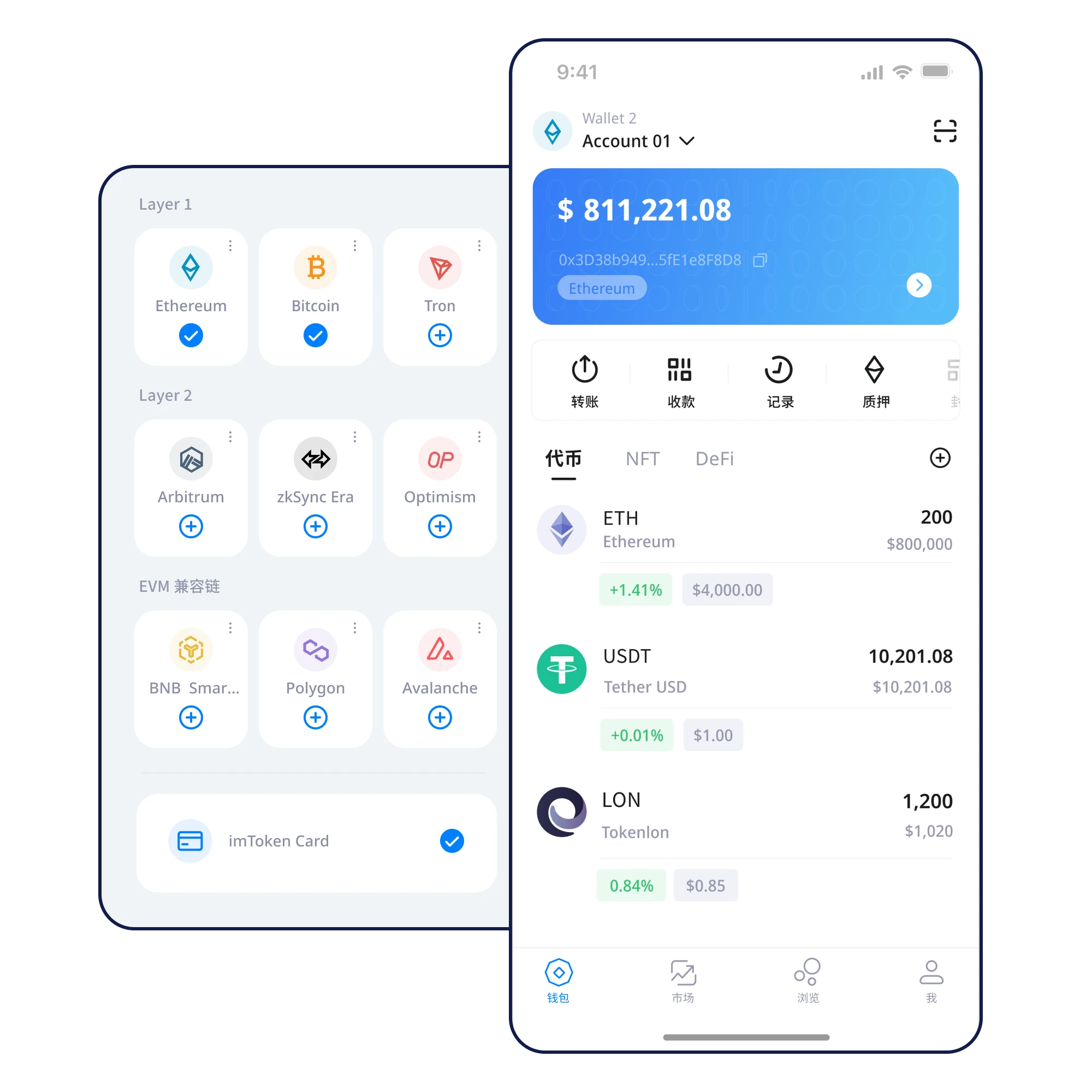
Balances and status indicators below are illustrative UI data, not real accounts or verified live features.
Total assets · Sample data
An asset name alone does not identify its blockchain. Verify the network for viewing, receiving and sending.
Asset ManagementCheck where installation files originate before taking any action.
Installation GuideUnderstand which credentials will control your wallet.
Create a WalletWrite down each word in order, away from connected services.
First BackupKeep recovery material secure and test your understanding.
Backup & RecoveryLearn how network and token selection affect balances.
Asset ManagementVerify the recipient, chain, amount and approvals.
Transfer ChecklistThink separately about key storage, signatures and device threats.
Local Key Management
A recovery phrase is not a login password. Prepare a restoration plan ahead of trouble.
Backup & Recovery
Compare the recipient, network and asset. Alerts complement, rather than replace, your checks.
Transfer Checklist
Keep credentials private and protected.
Review network, recipient and requested approval.
Prepare an offline backup and a recovery plan.
Each topic links to a standalone guide.
Learn the difference between creating and importing a wallet, prepare your device and understand recovery responsibilities before holding assets.
Create a WalletOrganize wallet views across networks, understand token contracts and distinguish an interface balance from independently verified on-chain records.
Asset ManagementCheck destination address, network, asset, amount and fees before signing; consider a small test transfer where practical.
Transfer ChecklistVerify your backup before retiring a device, assess exposure on the old device and check addresses after restoring access.
Changing DevicesSpot spoofed sites, malicious signing requests and fake support messages with deliberate source checks and transaction review.
Phishing ProtectionRisk signals help inform decisions but cannot replace checking origins, token approvals, recipients and the action being signed.
Risk AlertsSpoofed downloads, lookalike domains, secret requests and wrong networks all call for extra scrutiny.
Phishing ProtectionWith self-custody, you are generally responsible for the credentials controlling your accounts. Verify the exact product design and never disclose a recovery phrase.
Storing keys offline differs from checking balances or broadcasting transactions, which may require network access. Follow the security model of your device.
Record it accurately offline and protect it from screenshots, cloud syncing, messaging apps and untrusted forms.
A private key authorizes signatures for an account, while a recovery phrase often reconstructs a collection of keys. Both must remain secret.
Verify the source and understand recovery before managing assets.
⬇ Download NowOn mobile, continue to the download guidance; never install unverified files.